
- Explore Elkmont Ghost Town’s abandoned cabins and learn how it shaped Smoky Mountains history.
- Discover the roots of Gatlinburg at the Historic Ogle Cabin, built by a pioneering widow and her family.
- Experience living Appalachian traditions at the Great Smoky Arts and Crafts Community.
- Reflect on Gatlinburg’s earliest days at White Oak Flats Cemetery and the historic Cades Cove Churches.
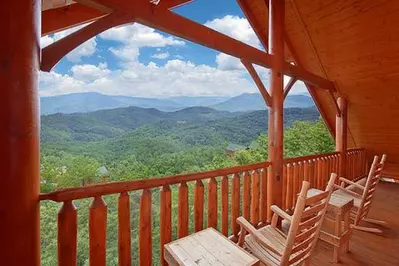
- Stay just minutes from all these sites in a cozy Hearthside Cabin and book your historic getaway today!
Gatlinburg history isn’t just about old buildings. It’s about the grit, creativity, and community spirit that shaped the Smokies. If you’re searching for things to do in Gatlinburg beyond the usual attractions, historical sites offer a window into the lives of the area’s earliest settlers and artisans. They give guests a chance to get up close to the stories and experiences that helped shape the region and are responsible for its unique heritage and culture. Here are 5 Gatlinburg historical sites you’ll want to visit.
Elkmont Ghost Town: A Hauntingly Beautiful Chapter of Smoky Mountains History
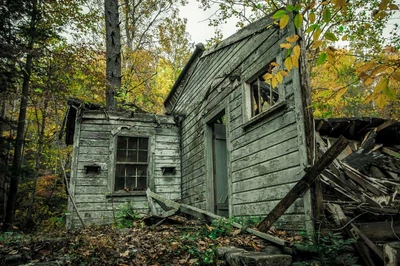
Elkmont Ghost Town began in 1908 as a bustling logging company town founded by the Little River Lumber Company. By 1918, it was the second-largest town in Sevier County, with more than 1,500 residents, a church, school, hotel, and commissary. When logging ended in 1925, Elkmont transformed into a resort community for Knoxville’s elite thanks to the Appalachian Club and Wonderland Club.
The “Elkmont Special” observation train brought tourists into the mountains, and club members later helped advocate for the creation of Great Smoky Mountains National Park in 1934. Today, visitors can explore 18 preserved historic structures and two cemeteries, while the abandoned Daisy Town cabins create a fascinating ghost town atmosphere.
Elkmont is located off Little River Road in the national park and is free to visit year-round. Guests who park their vehicle for longer than 15 minutes are required to have a parking tag. Daily tags are available for $5 online, at park visitor centers, and welcome centers.
Mini-Summary
- Founded in 1908 as a logging town and later became a resort community
- Second-largest town in Sevier County by 1918
- Features 18 preserved historic structures and Daisy Town cabins
- Located in Great Smoky Mountains National Park with free admission
Historic Ogle Cabin: Where Gatlinburg History Begins
The Historic Ogle Cabin stands as Gatlinburg’s oldest surviving structure, built in 1807 by Martha Jane Huskey Ogle and her family after the death of her husband, William Ogle. Located near traffic light #3 in downtown Gatlinburg, this log cabin is free to visit and open year-round. Over the years, it served as a hospital in 1921 and a museum of mountain artifacts from 1922 to 1926 before being relocated to the site of the community’s first church. The Ogle family’s legacy also includes Gatlinburg’s first merchant store, opened by Noah Ogle in 1850.
Mini-Summary
- Built in 1807 by Martha Jane Huskey Ogle and family
- Located downtown near traffic light #3 with free admission
- Served as a hospital and museum in the early 1900s
- Ogle family helped found and shape Gatlinburg
Great Smoky Arts and Crafts Community: Living History You Can Touch
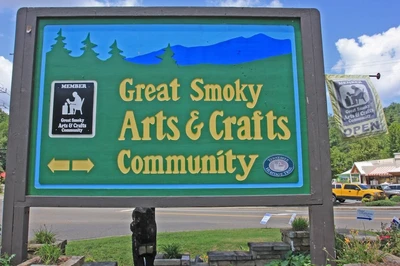
Established in 1937 by John Cowden and fellow artisans, the Great Smoky Arts and Crafts Community is an 8-mile loop road beginning at traffic light #3A in Gatlinburg. It’s the largest independent artisan community in North America and is recognized as an official Tennessee Heritage Arts and Crafts Trail.
More than 80 artists and craftspeople create pottery, woodcarvings, quilts, paintings, baskets, blown glass, and more. The Pi Beta Phi Settlement School, founded in 1912, helped revive and preserve Appalachian craft traditions that continue today at the Arrowmont School of Arts and Crafts.
Free parking is available throughout the loop, and most studios are open from 10 a.m. to 5 p.m. Seasonal events like the Great Smoky Spring Arts and Crafts Show bring even more excitement to the area. The community is accessible by car or trolley from downtown Gatlinburg.
Mini-Summary
- Founded in 1937 with an 8-mile artisan loop
- Home to more than 80 local artisans
- Largest independent artisan community in North America
- Free parking and seasonal arts and crafts events
White Oak Flats Cemetery: The Quiet Heart of Gatlinburg History
Dating back to the 1830s, White Oak Flats Cemetery is Gatlinburg’s oldest burial ground and a direct link to the town’s pioneer roots. Located next to Fannie Farkle’s in downtown Gatlinburg, it’s free to visit during daylight hours.
The cemetery’s name reflects Gatlinburg’s original name, White Oak Flats, before the town was officially renamed in 1856. Here you’ll find the graves of founding families who established the area’s first churches, farms, and schools. Despite its location near the busy Parkway, the cemetery offers a peaceful and reflective atmosphere.
Mini-Summary
- Gatlinburg’s oldest burial ground with graves dating to the 1830s
- Located beside Fannie Farkle’s in downtown Gatlinburg
- Named after Gatlinburg’s original name, White Oak Flats
- Final resting place for many pioneer families
Cades Cove Churches: Three Historic Churches on One Scenic Drive
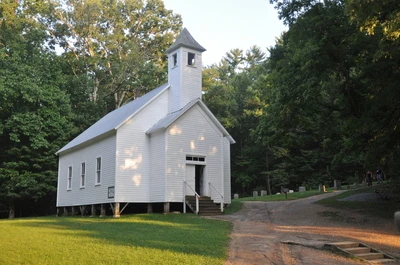
Cades Cove is home to three beautifully preserved pioneer churches, each with its own fascinating history.
Primitive Baptist Church
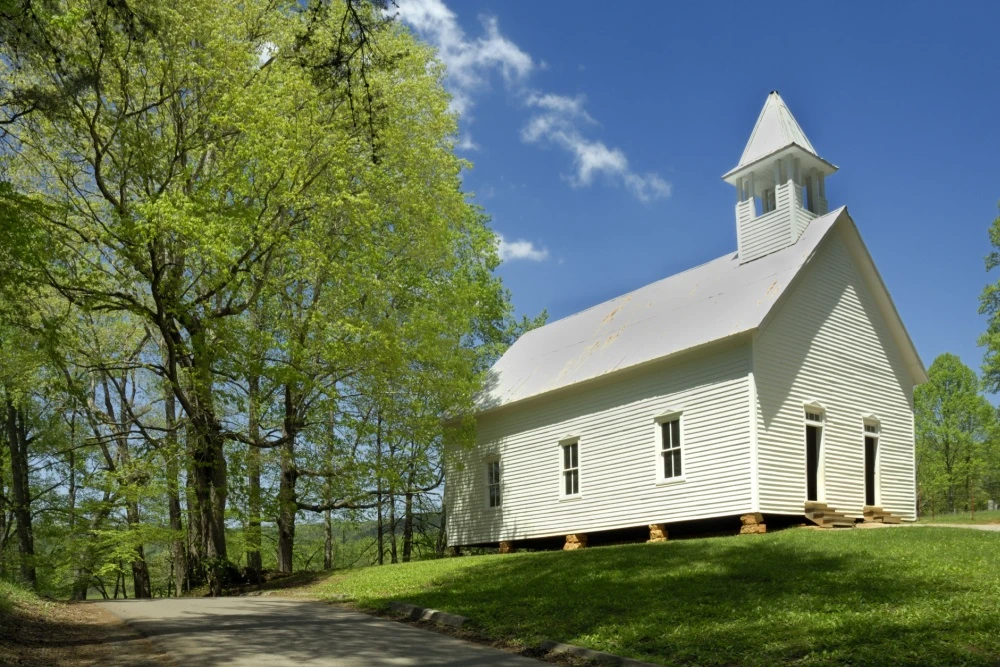
Organized in 1827 as the first church in the cove, the current white frame building dates to 1887. The church served as a major social hub, though services were suspended during the Civil War. The congregation remained active into the 1960s, even after Great Smoky Mountains National Park was created. Look closely and you can still see fingerprints from the original builders in the ceiling plaster.
Missionary Baptist Church
Formed in 1839 by 13 members who split from the Primitive Baptist congregation over disagreements about missions and Sunday school teachings, the first building was erected in 1894. The current church, featuring a bell tower and bay window, was built in 1915.
Methodist Church
The Methodist congregation dates back to 1830, with the current building completed in 1902 by Rev. J.D. McCampbell for just $115 in exactly 115 days. The church includes two entrances originally intended to separate men and women, though that tradition was never practiced.
All three churches sit along the scenic 11-mile, one-way Cades Cove Loop Road in Great Smoky Mountains National Park. They’re free to visit during daylight hours, and visitors should allow 2 to 4 hours to enjoy the full loop drive and church stops. A parking tag is required if you plan to park your vehicle for longer than 15 minutes. Daily tags are available for $5 online, at park visitor centers, welcome centers, and at the kiosk at Cades Cove Orientation Shelter.
Mini-Summary
- Primitive Baptist Church established in 1827
- Missionary Baptist Church formed in 1839
- Methodist Church congregation dates to 1830
- Located along the scenic Cades Cove Loop Road
FAQ: Gatlinburg Historical Sites
Is Elkmont Ghost Town worth visiting?
Absolutely! Elkmont Ghost Town is a must-see for anyone interested in Smoky Mountains history, photography, or a touch of mystery. The abandoned Daisy Town cabins and preserved structures offer a rare glimpse into both the logging era and the birth of mountain tourism. Plan to spend at least 1 to 2 hours exploring the area and enjoying the peaceful atmosphere.
What is White Oak Flats Cemetery in Gatlinburg?
White Oak Flats Cemetery is the oldest burial ground in Gatlinburg, with graves dating back to the 1830s. It serves as the final resting place for many of the town’s founding families and early settlers. Located beside Fannie Farkle’s in downtown Gatlinburg, it’s free and open to the public during daylight hours.
What are the best Gatlinburg historical sites?
Some of the best Gatlinburg historical sites include the Historic Ogle Cabin, Elkmont Ghost Town, the Great Smoky Arts and Crafts Community, White Oak Flats Cemetery, and the three Cades Cove Churches. Each site offers a unique look into Gatlinburg’s pioneer history and Appalachian heritage.
Plan Your Stay Near These Gatlinburg Historical Sites
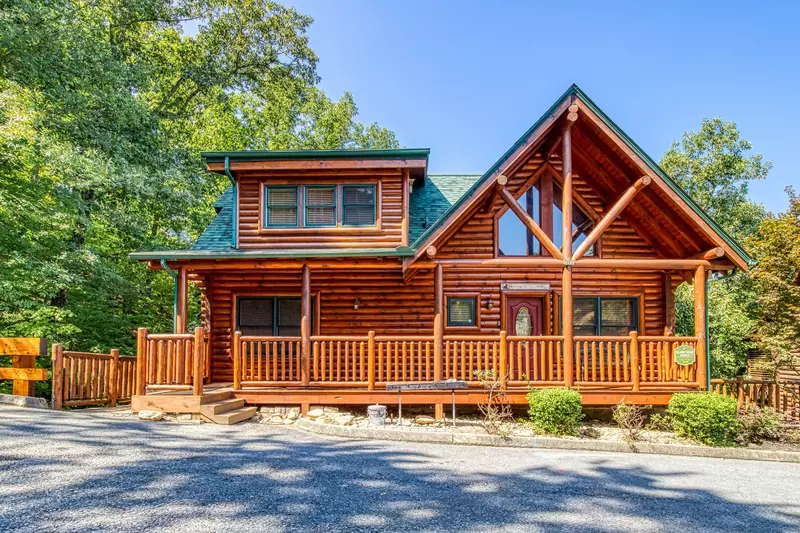
Ready to explore Gatlinburg historical sites up close? Here at Hearthside Cabin Rentals, we offer a wide variety of cabins in Gatlinburg, from cozy one-bedroom retreats to spacious family lodges. Our cabins place you just minutes from all five must-see historical sites, allowing you to experience Smoky Mountains history and adventure throughout your stay.
Whether you’re a history buff, a family searching for meaningful things to do in Gatlinburg, or simply someone who wants to experience the authentic spirit of the Smokies, Hearthside provides the perfect home base. Take a look at our Gatlinburg cabins today and find somewhere special to stay!